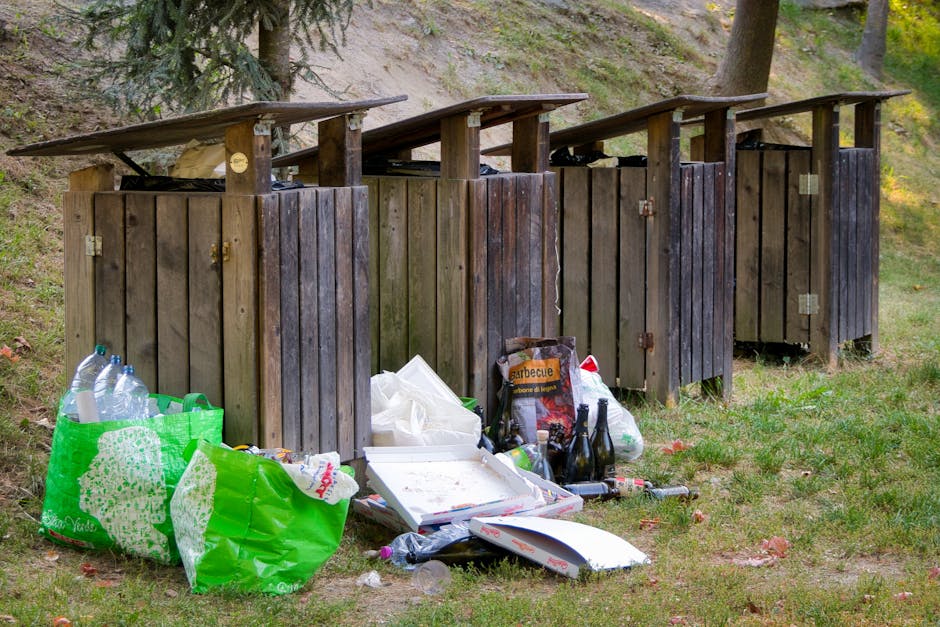
Common problems with access for Kensington rubbish collection
If you have ever tried to arrange a rubbish collection in Kensington and felt your building, street, or driveway was working against you, you are not alone. Common problems with access for Kensington rubbish collection tend to crop up in the same places again and again: narrow roads, shared entrances, parking restrictions, basement properties, tight stairwells, and those lovely old Kensington buildings that look elegant but are not exactly built for bulky waste. Truth be told, access is often the difference between a smooth collection and a messy delay.
This guide breaks down the practical problems, why they matter, how they affect the job, and what you can do to avoid the usual headaches. You will also find a checklist, a comparison table, and a realistic example so you can plan with a bit more confidence. If you need broader help with loading, lifting, or disposal planning, it can also be useful to look at waste removal services and the wider range of options on the Kensington clearance website.
Table of Contents
- Why common access problems matter
- How access issues affect rubbish collection
- Key benefits of planning access properly
- Who this is for and when it makes sense
- Step-by-step guidance
- Expert tips for better results
- Common mistakes to avoid
- Tools, resources and recommendations
- Law, compliance and best practice
- Options and comparison table
- Case study or real-world example
- Practical checklist
- Conclusion
- Frequently asked questions
Why Common problems with access for Kensington rubbish collection Matters
Access sounds like a minor detail until collection day arrives and the crew cannot get to the waste. Then it becomes the main event. In Kensington, that can mean a vehicle cannot stop close enough, a lift is too small for bulky items, or a shared front gate is locked and nobody has the key. Small access problems can quickly turn into extra labour, wasted time, and in some cases a failed collection.
For residents, landlords, managing agents, and business owners, good access planning matters for three simple reasons. First, it protects the schedule. Second, it reduces the chance of damage to walls, floors, furniture, or the building itself. Third, it helps the team decide whether a job can be done in one visit or needs a different method. A flat clearance, for example, is very different from a garden clearance or a office clearance, and access can change the whole approach.
There is also a cost angle, though it is not always about money alone. When access is difficult, crews may need more time, more people, a smaller vehicle, or a staged collection plan. That is just the reality of working in a dense London area with varied property types. Kensington has elegant terraces, mansion blocks, mews houses, basement flats, and busy commercial streets. Not exactly a one-size-fits-all environment.
Expert summary: In rubbish collection, access is not just about "can we get in?" It is about how safely, quickly, and legally the job can be completed without damaging property or causing disruption.
How Common problems with access for Kensington rubbish collection Works
At a practical level, access affects three stages of the job: arrival, loading, and exit. If any of those stages are compromised, the collection slows down. The crew might have to park further away, carry items through tighter spaces, or split the load into smaller runs. In a busy street, that can be awkward, especially if traffic is moving and loading bays are limited.
Most access issues fall into a few familiar categories:
- Vehicle access: The collection vehicle cannot get close enough to the property, or can only stop briefly.
- Entry access: Gates, intercoms, concierge desks, or shared entrances slow the team down.
- Internal access: Narrow hallways, steep stairs, low ceilings, or tiny lifts make moving bulky items hard.
- Timing access: Limited windows for parking, building rules, or restricted loading times.
- Permission access: The team arrives, but keys, codes, or building permissions are missing.
Here is a very typical Kensington scenario. A customer books a collection for a third-floor flat above a shop. The waste is ready, but the service lift is out of use, and the only available loading spot is across the street. Even if the job is still possible, it now needs more care and a clearer plan. That is why good pre-collection information matters so much. It is not fuss for the sake of fuss. It is how the work stays efficient.
If you are dealing with bulky items as well as mixed waste, it can help to think beyond simple disposal and look at specialist services such as furniture disposal or builders waste clearance, depending on what needs removing. Different waste types bring different access needs, and the wrong plan can get clumsy very fast.
Key Benefits and Practical Advantages
Solving access problems early is not glamorous. But it pays off. Quite a lot, actually.
- Fewer delays: The team can arrive prepared, with the right number of people and the right vehicle.
- Less risk of damage: Narrow hallways and staircases are much safer when items are measured and planned in advance.
- Smoother neighbour relations: Nobody enjoys a blocking van, repeated doorbell ringing, or prolonged loading noise at 8 a.m.
- Better value: A well-planned collection often takes less time and fewer resources.
- More predictable service: You know what is possible before anyone turns up with a trolley and a hopeful expression.
There is another benefit that people miss: better sorting. When access is understood properly, waste can often be separated more effectively. That supports recycling and reduces the chance of items being handled in a rush. For households or businesses that care about disposal standards, that matters. You can also review the company's broader approach to recycling and sustainability if environmental handling is part of your decision-making.
A smooth access plan also makes specialist jobs easier. A home clearance in a narrow terrace house, for instance, may require a different route through the property than a ground-floor garage clearance. Small details, big difference.
Who This Is For and When It Makes Sense
Access planning is relevant to almost anyone booking rubbish collection in Kensington, but it becomes especially important in a few situations:
- Flat owners and tenants in mansion blocks, basement flats, or upper-floor homes with limited lift access.
- Landlords and letting agents arranging end-of-tenancy clearances between occupiers.
- Homeowners clearing lofts, basements, garages, or gardens with awkward entry routes.
- Office managers moving old desks, filing cabinets, or bagged waste from upper floors.
- Builders and contractors handling rubble, timber, plasterboard, or renovation debris.
- Business owners who need collections outside limited loading windows.
It makes sense whenever the waste is too bulky for simple bin day disposal or too awkward to carry out without planning. If you are dealing with a cramped flat, a shared entrance, or a property with strict building rules, access should be part of the conversation from the beginning. That is especially true if you are arranging flat clearance or house clearance, because those jobs often reveal access surprises only after people start moving things.
And yes, even when everything seems straightforward, it is still worth checking access. The lift might be broken that morning. A delivery lorry might have parked in the only sensible stopping place. Life has a habit of doing that, doesn't it?
Step-by-Step Guidance
If you want the collection to go smoothly, the best approach is simple: give the crew enough information to plan the job before they arrive. Here is a practical way to do it.
- Walk the route from street to waste. Notice gates, staircases, narrow doors, tight turns, and any obstacles. If you would struggle carrying a sofa through it, the crew probably will too.
- Measure bulky items. Large furniture, appliances, and construction waste can be awkward. A tape measure is a small thing, but it saves a lot of guesswork.
- Check parking and stopping points. Can a van stop close by? Is there a loading bay? Is the road narrow enough to make reverse manoeuvres painful? Be honest here.
- Confirm entry permissions. Make sure the right person has keys, fobs, codes, concierge details, or building access permission.
- Identify shared-space rules. Flats and managed buildings often have their own collection times, lift rules, or restrictions on using trolleys in communal areas.
- Separate the waste by type if possible. Keep furniture, garden waste, builders' debris, and general rubbish distinct where practical. It helps with handling and loading.
- Flag any special risks. Sharp edges, broken glass, damp waste, heavy items, or items stored in cellars can change the collection method.
- Share all of this before the appointment. Not after the van arrives. Not halfway through. Before.
If the job involves a loft or basement, mention that early. A loft clearance in an older Kensington property can sound easy until someone notices the stair angle, low headroom, or a hatch that barely opens. Small hiccup, then a bigger one. You get the idea.
In some cases, a simple photo or two is enough to help the provider judge the access route. Not always necessary, but often helpful. A quick image of the doorway, parking space, or stairwell can prevent a lot of back-and-forth. And honestly, it saves everyone a bit of awkwardness on the day.
Expert Tips for Better Results
In our experience, the jobs that go best are the ones where the customer thinks a bit like the crew. That does not mean becoming a waste specialist overnight. It just means looking at the property with practical eyes.
- Leave the route clear: Move plant pots, bikes, prams, and storage boxes out of the way where you can.
- Protect floors and corners: In older properties, hallways can be narrow and easily marked. A rug edge or wall corner can take a knock if the route is tight.
- Keep one person available: If access is uncertain, have someone on hand to open gates, answer questions, and make quick decisions.
- Label what is going: If some items are staying and some are going, mark them clearly. Halfway sorting on a landing is nobody's favourite game.
- Book with a little breathing room: If the building is busy during school run hours or commuter times, avoid the worst of the traffic if you can.
One small but useful tip: if you live in a block with a shared entrance, let neighbours know about the collection. That tiny bit of courtesy can prevent complaints later. The van may be parked briefly, the hallway may have traffic, and a heads-up usually softens the experience for everyone.
If you are arranging recurring removals for a workplace, it can also help to review business waste removal options. Repeated collections have a habit of exposing the same access issues again and again, so fixing them once is the smart move.
Common Mistakes to Avoid
Some access problems are unavoidable. Others are self-inflicted, and to be fair, we have all done something like this at least once.
- Assuming access is "fine" without checking: A route that looks okay in daylight may feel very different with a full van and two bulky wardrobes.
- Forgetting about parking restrictions: Kensington streets can be unforgiving when stopping space is limited.
- Not mentioning stairs or lifts: If there is no lift, or the lift is too small, say so early.
- Leaving waste in inaccessible rooms: A loft, cellar, or back garden may need a separate plan.
- Not checking communal rules: Some managed buildings have access windows, porter requirements, or restrictions on waste movement.
- Mixing delicate and heavy items: This makes handling slower and riskier.
One of the biggest mistakes is underestimating how long a job takes when access is awkward. A collection that would be quick from a driveway can become very different if everything has to pass down a narrow staircase with a turn halfway. No drama, just physics.
Another common issue is failing to account for the type of waste. A garden job with muddy bags, broken fencing, and branches behaves differently from an office clear-out with chairs, monitors, and filing cabinets. If the waste is mixed and access is limited, the team needs to know. You can see the broader service context through garden clearance and office clearance.
Tools, Resources and Recommendations
You do not need fancy equipment to sort access out, just a few sensible tools and habits.
- Tape measure: Useful for doorways, stair widths, lift dimensions, and large items.
- Phone camera: Photos of entrances, parking points, and awkward turns can be surprisingly helpful.
- Simple floor plan or sketch: Even a rough hand-drawn layout can make the route clearer.
- Notepad or checklist: Handy for key codes, timings, and building contact names.
- Good lighting: Basements, lofts, and back gardens often look very different in poor light.
For customers comparing options, it may help to review service pages that match the type of waste you have. For instance, bulky household items may fit better with furniture clearance, while renovation debris is better suited to builders waste clearance. The access route often influences which service is the smartest fit.
If pricing is part of the decision, a clear access description can make estimates more reliable. You can also explore pricing and quotes and, if relevant, the company's payment and security information before booking. Nothing glamorous there, but it builds confidence.
Law, Compliance, Standards, or Best Practice
Access planning is not only about convenience. It is also tied to safe working practice, property care, and sensible waste handling. In the UK, waste must be managed responsibly, and jobs should be carried out without creating avoidable hazards to workers, residents, or the public. That means blocked routes, unsafe lifting, and poor communication are more than annoyances; they are operational risks.
Best practice usually includes:
- clear communication about access conditions before arrival
- safe lifting and carrying routes
- reasonable planning for parking and loading
- care around communal areas and shared entrances
- sorting waste where practical to support reuse and recycling
For commercial or managed buildings, internal rules may also matter. Managing agents, concierges, and landlords often expect advance notice. Some properties require proof of insurance or a named contact on the day. If that is the case, it is wise to check early rather than hoping it will sort itself out. It rarely does.
If you want reassurance about operational responsibility, it may also be useful to look at the company's health and safety policy, insurance and safety information, and accessibility statement. Those pages help show how access, safety, and service expectations fit together in practice.
Options, Methods, or Comparison Table
There is more than one way to deal with awkward access. Which method works best depends on the property, the waste, and how much manual handling is involved.
| Method | Best for | Access impact | Typical drawback |
|---|---|---|---|
| Direct vehicle loading | Ground-floor properties, easy parking, straightforward waste | Fastest and least disruptive | Needs close vehicle access |
| Manual carry from property to van | Flats, terraces, or homes with limited stopping space | Works in tighter streets | Slower and more labour-intensive |
| Staged collection | Large clearances or mixed loads | Helpful where space is cramped | May take more than one pass |
| Specialist route planning | Lofts, basements, managed buildings, or restricted sites | Reduces risk of damage | Needs more upfront detail |
For homes with multiple problem areas, a combined approach often works best. For example, a property may need rubbish removed from a basement storage room, old furniture from a first-floor lounge, and garden waste from a back courtyard. That is not unusual at all. In fact, it is pretty normal in Kensington. The right method depends on access to each area, not just the front door.
If the job is more about a complete domestic reset, home clearance can be a more suitable option than trying to piece together smaller collections.
Case Study or Real-World Example
Picture a late-morning collection in a Kensington mews property. The customer needs old furniture, a couple of broken shelves, and a stack of bagged clutter removed from the top floor and basement. On paper, it sounds manageable. The issue is access: the mews is narrow, parking is tight, the staircase is steep, and the basement door opens inward into a cramped space.
Instead of forcing the job, the crew and customer agree a simple plan. The front entrance is cleared first. Smaller items are brought to the hallway in stages. The heaviest furniture is checked before moving, just to make sure it will pass the staircase safely. A neighbour is given a quick heads-up about temporary hallway use. The collection still takes longer than a simple ground-floor job, but it stays controlled, quiet, and safe.
That is the real lesson. Most access problems are not deal-breakers. They just need a bit of thought. A minute spent planning can save twenty minutes of carrying, shifting, and trying to improvise with a sofa that clearly did not read the floor plan. We have all seen a sofa win that argument.
Practical Checklist
Use this before collection day. It keeps things simple.
- Have you checked the route from waste to vehicle?
- Do you know the width of doors, stairwells, and lifts?
- Is parking or stopping space available nearby?
- Do you have keys, codes, fobs, or building permission ready?
- Have you warned neighbours or the building manager if needed?
- Are bulky items measured and noted down?
- Is the waste separated where practical?
- Have you flagged any sharp, heavy, wet, or awkward items?
- Do you know whether the job is best suited to a house, flat, loft, garage, or office clearance service?
- Have you shared all the access details before the appointment?
If you can tick most of those boxes, you are already ahead of the game. Really.
Conclusion
Access is the quiet factor that makes or breaks rubbish collection in Kensington. The streets are busy, the buildings are varied, and the layouts are not always forgiving. That is why the best collections begin with simple, honest information about what the crew will face when they arrive. Not perfect information. Just enough real-world detail to plan properly.
When you understand the common access problems, you can avoid delays, reduce stress, and make the whole process feel far less chaotic. Whether you are clearing a flat, a family home, an office, or a mixed-load property, the goal is the same: safe removal, clear communication, and no unnecessary surprises.
If you are getting ready to book and want a smoother experience from the start, review your access points, gather the key details, and take a calm look at the available service information. A little preparation goes a long way, and it usually saves time on the day.
Get a free quote today and see how much you can save.
Sometimes the best collections are the ones that feel almost boringly smooth. That is a good thing.
Frequently Asked Questions
What are the most common access problems for Kensington rubbish collection?
The biggest issues are usually narrow streets, limited parking, basement or upper-floor access, small lifts, shared entrances, and building rules that limit when waste can be moved.
Why does access matter so much for rubbish removal?
Access affects how quickly and safely the team can reach the waste, load it, and leave. Poor access can mean extra lifting, delays, added labour, or the need for a different collection method.
Can a rubbish collection still happen if there is no parking nearby?
Often yes, but it may take longer because items need to be carried further. The crew usually needs to know this in advance so they can plan the right approach.
Do I need to mention stairs and lifts before booking?
Yes. This is one of the most useful details you can give. Stairs, lift size, and the number of floors can change the time, manpower, and handling required.
What if my waste is in a loft or basement?
Say so early. Loft and basement collections often involve tight access, awkward angles, and extra care. The route matters just as much as the waste itself.
How can I make access easier on the day?
Clear the route, unlock gates, prepare codes or keys, move small obstacles, and keep someone available to answer questions. A tidy path really helps.
Does access affect the quote?
It can. If a job needs more time, more carrying, or special handling because of access, that may be reflected in the estimate. Clear information usually leads to a better quote.
What kind of photos are useful before a collection?
Photos of the entrance, staircase, parking space, and the waste itself are often helpful. They give a better sense of what the team will face on arrival.
Is access more difficult for flat clearances than house clearances?
Not always, but flats often involve shared entrances, lifts, stairwells, and building rules, so access can be a bit more complex than in a straightforward ground-floor house.
What should I do if my building has strict collection rules?
Check them early and pass them on when booking. If the building requires notice, specific time windows, or a named contact, it is best to deal with that before the collection day.
Can awkward access damage walls or floors?
Yes, it can if the route is tight or poorly planned. That is why careful measurement, good communication, and the right handling method matter so much.
Which service is better for bulky items in a cramped property?
That depends on the item and the route. Furniture often suits furniture clearance or furniture disposal, while mixed household waste may be better handled through home clearance or waste removal.
What is the best first step if I am unsure about access?
Describe the property as clearly as you can, measure anything bulky, and ask for guidance before the appointment. A quick conversation usually clears up most concerns.
And if you still feel unsure, that is completely normal. Kensington properties can be a bit idiosyncratic, and a careful plan is often the difference between a rushed job and a well-handled one.