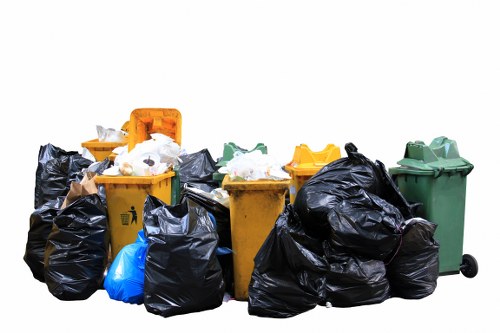
 House Clearance Kensington: Recycling and Sustainability
At House Clearance Kensington we place environmental responsibility at the heart of every project. Our approach to eco-friendly waste disposal area management and creation of a sustainable rubbish area is practical, local and measurable. We work within the Royal Boroughs' systems to ensure items are diverted from landfill whenever possible, supporting local reuse, proper sorting and low-carbon logistics that align with west London green initiatives.
 Why sustainable clearance matters: Kensington and the neighbouring boroughs have developed kerbside and communal policies that encourage separation of waste into clear streams. The boroughs' approach to waste separation typically includes dry recycling (paper, cardboard, plastics and cans), glass collection, food and garden waste and controlled disposal for hazardous items. That framework enables our teams to sort at source and to send materials onwards to the right processing centres.
Our recycling targets, transfer networks and partnerships
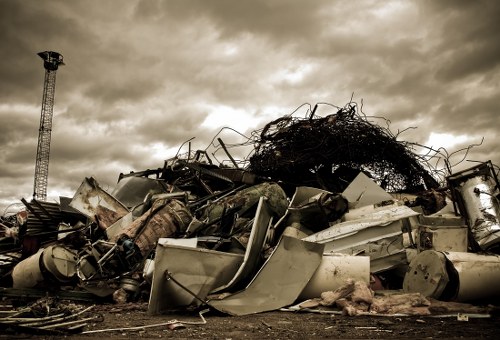 We have set a clear recycling percentage target to track and drive continuous improvement: our goal is to achieve a 75% reuse and recycling rate for all house clearances in Kensington by 2030. This target is applied to every clearance job, measured by weight and destination, and supported by our networks with regional processing facilities and charities. We monitor progress, report on diversion rates and refine processes to increase resource recovery year on year.
- Local transfer stations: we consolidate sorted loads for delivery to nearby transfer stations such as Park Royal transfer facilities and other west London Materials Recovery Facilities (MRFs) that serve Kensington and adjacent boroughs.
- Specialist facilities: bulky waste, electronics and hazardous materials are taken to authorised treatment centres that can safely recycle or dispose of these items with full environmental compliance.
- Community reuse partners: where items are reusable, we route them directly to charities and social enterprises rather than to MRFs to maximise social value.
Charity partnerships and reuse programmes
 We maintain active links with local and national charities to ensure furniture, appliances and usable household items find a second life. Partner organisations include furniture reuse charities and donation networks that accept repaired items, textiles and small electricals. Typical partners include community-run shops and charities that operate in west London and accept donations for resale or redistribution to households in need. By prioritising reuse we not only reduce the load on the municipal waste system but also support the circular economy.
 Our collaboration model works like this: items that are undamaged and safe to use are identified by our clearance team at the curb. Those items are recorded, photographed and then either collected for drop-off at a charity partner or booked for direct uplift to a charity collection service. Items that require minor repairs are offered to social enterprises that specialise in refurbishment. For materials that cannot be reused, we ensure they enter the correct recycling stream.
To strengthen our sustainable rubbish area credentials we also support local reuse days and community swap events, donating cleared items to neighbourhood projects where possible and helping to set up temporary collection points that feed into charity networks rather than landfill.
Logistics and low-carbon vans: the final mile matters. All clearances in Kensington are planned to minimise emissions through optimised routing, consolidated loads and a growing fleet of low-emission vehicles. We operate a mix of electric and hybrid vans for inner-London work and low-emission Euro 6 vehicles for longer legs. Low-carbon vans reduce noise and air pollution in dense residential streets and ensure compliance with the Ultra Low Emission Zone (ULEZ) policies that affect central London operations.
Practical sustainable steps we take:
- Source segregation on-site to separate recyclables, hazardous items and reusable goods.
- Direct donations and scheduled charity uplifts to avoid intermediary landfill transfers.
- Use of electric and hybrid vehicles for city centre collections and cargo bikes for last-mile movement where feasible.
- Route optimisation software to cut mileage and emissions across multiple clearances per day.
- Documentation of material destinations and reuse outcomes for transparency and continuous improvement.
Compliance and community responsibility: we comply with all local waste transfer notes, hazardous waste regulations and carrier responsibilities. We issue detailed records of how materials were processed and where they went, ensuring traceability from property to transfer station, MRF or charity. This transparency helps customers understand the real impact of a clearance and supports our mission to create a truly sustainable rubbish area approach throughout Kensington and nearby boroughs.
How this benefits Kensington residents: fewer items in landfill, more donations to local causes, cleaner streets and reduced vehicle emissions. Our sustainable models reduce council disposal costs by diverting high-value reuse items to charities and lowering the carbon footprint of each job. That’s responsible house clearance in action.
To sum up: House Clearance Kensington champions an eco-friendly waste disposal area strategy that combines an ambitious recycling percentage target, collaboration with local transfer stations and MRFs, strong charity partnerships, and a low-carbon van fleet. Our ongoing goal is to make every clearance an opportunity to recover value from unwanted goods, reduce environmental harm and build greener, more sustainable communities across Kensington and the surrounding boroughs.