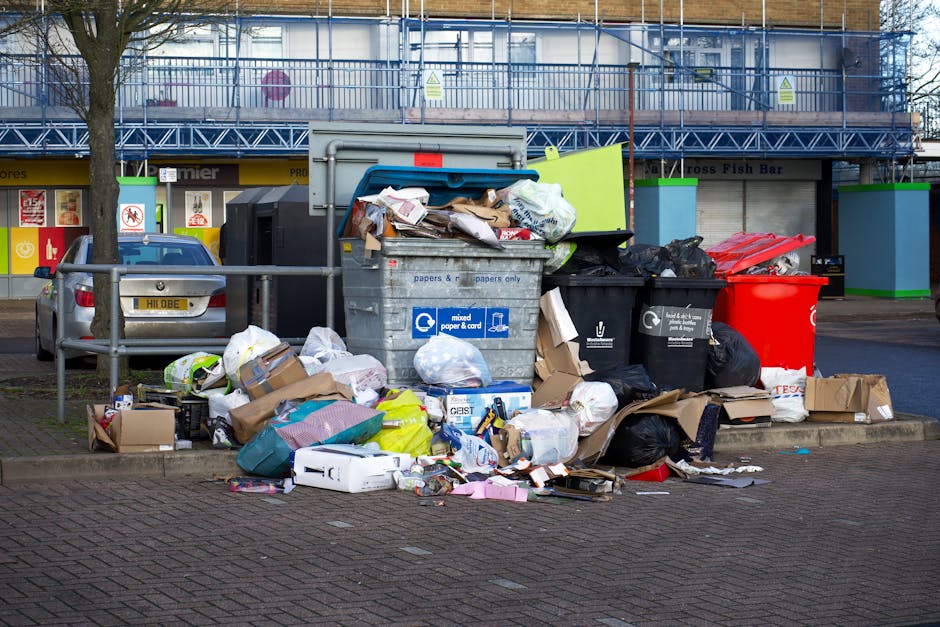
Kensington council rubbish bulky waste permit what to know
If you are trying to clear a sofa, mattress, broken wardrobe, renovation rubble, or a few awkward heavy items in Kensington, the rules can feel more confusing than they should. The phrase Kensington council rubbish bulky waste permit what to know usually comes up when people are deciding whether they need council permission, what counts as bulky waste, and whether there is an easier way to get the job done without trouble at the kerbside. Truth be told, most problems start with one simple thing: people underestimate how councils classify waste, especially when it is large, mixed, or left outside for collection.
This guide breaks the subject down in plain English. You will learn what a bulky waste permit is, when it matters, how it fits into council collection rules, and what to do if your items are too big, too many, or just too much hassle for a standard pickup. We will also look at safer, cleaner alternatives, including professional clearance options such as waste removal, furniture disposal, and house clearance. No fluff. Just the practical stuff that actually helps.
Quick takeaway: if your bulky waste is being put out for collection, check the council's rules first; if you need a licence, booking, or permission, get it sorted before the items hit the pavement. It saves awkward calls, missed collections, and the dreaded fine-letter feeling in the post.
Table of Contents
- Why Kensington council rubbish bulky waste permit what to know matters
- How Kensington council rubbish bulky waste permit what to know works
- Key benefits and practical advantages
- Who this is for and when it makes sense
- Step-by-step guidance
- Expert tips for better results
- Common mistakes to avoid
- Tools, resources and recommendations
- Law, compliance, standards, or best practice
- Options, methods, or comparison table
- Case study or real-world example
- Practical checklist
- Conclusion
- Frequently asked questions
Why Kensington council rubbish bulky waste permit what to know Matters
Bulky waste sounds straightforward until you are actually standing in front of a flat, a basement, or a narrow Kensington street with a chest of drawers and a deadline. Then the small details start to matter. Is the item accepted as bulky waste? Does it need to be booked? Can it sit outside the property, or does that require extra permission? What happens if it blocks the pavement or is left out early?
That is why understanding the permit side matters. A permit, licence, or booking condition is not just admin for admin's sake. It is there to control where waste is placed, how it is collected, and whether it creates a safety or obstruction issue. In areas with tighter streets, shared entrances, mews lanes, or flats above shops, a badly planned bulky waste set-out can become a nuisance very quickly. One minute it is a sofa; next minute it is a tripping hazard, a complaint, and a collection that never happens.
For residents and landlords, the topic also affects timing and cost. If you are clearing after a tenant move-out, refurbishment, or a family bereavement, the last thing you need is a rejected pickup because the item was listed wrong or placed incorrectly. If you are unsure, a cautious approach is always better than guessing.
How Kensington council rubbish bulky waste permit what to know Works
At a practical level, bulky waste rules usually work like this: you identify the items, check whether they are accepted, book the collection or obtain permission if required, then present the waste exactly as instructed. That may sound almost too simple, but the details do the heavy lifting.
Bulky waste normally means large household items that are too big for ordinary bins. Think mattresses, sofas, wardrobes, tables, chairs, large appliances, and similar domestic items. But once you start mixing in rubble, timber, soil, fridges, paint, or renovation waste, the situation changes. The council may treat those items differently, or refuse them altogether.
Where permits come in depends on the setup. In some cases, the permission is about placing items on the public highway, even temporarily. In others, it is simply part of the booking process for a special collection. If a skip, container, or any other large waste holding method is involved, different rules may apply again. Easy to say, not always easy to navigate in real life.
That is why a clean plan matters:
- confirm what type of waste you have
- separate household bulky items from mixed or hazardous waste
- check any booking, placement, or access conditions
- make sure the waste is ready on the agreed day and time
- avoid putting anything out that could be rejected
If the items are awkward, heavy, or coming from multiple rooms, it can be worth looking at structured clearance support like flat clearance, home clearance, or garage clearance. Those services help when the job is bigger than a single council pickup window.
Key Benefits and Practical Advantages
Getting the bulky waste process right has some very real upsides. First, it reduces the chance of a missed collection. That sounds obvious, but missed collections are often the result of tiny errors: wrong item type, poor access, waste left in the wrong place, or a booking that did not match the situation on the ground.
Second, it helps you stay tidy and neighbour-friendly. Kensington is one of those places where space matters. A pile of waste sitting outside all day can look messy fast, and in a shared building it can cause friction immediately. If you have ever heard the quiet thud of a heavy chair being dragged into a hallway at 7am, you know what I mean.
Third, a proper approach gives you more control over cost. Council collections can be economical for a few suitable items. But if you have many pieces, mixed waste, or a tight time window, a dedicated clearance service may be the better fit. That is where comparing options is helpful rather than assuming the council route is always the cheapest or easiest.
Other practical advantages include:
- less risk of incorrect disposal
- clearer handling of recycling and reuse opportunities
- less lifting and strain for you or your staff
- faster turnaround for move-outs, refurbishments, or probate clearances
- more predictable access management for flats and managed properties
If your items are mostly old furniture, a service focused on furniture clearance can be a neat fit. If you are trying to clear a whole property, a broader approach often works better than item-by-item booking.
Who This Is For and When It Makes Sense
This topic matters to a lot of people, not just homeowners. Tenants, landlords, letting agents, property managers, office administrators, builders, and even small businesses all run into bulky waste issues sooner or later. The trigger is usually a change: moving out, replacing furniture, clearing after renovations, or emptying a space that has quietly filled up over years.
It tends to make sense to investigate a permit or council collection when:
- you only have a small number of acceptable bulky items
- the items can be left exactly where the council requires
- you have time to book in advance and wait for the slot
- there is no hazardous, commercial, or construction waste mixed in
It may make more sense to consider a private clearance route when:
- the job involves multiple rooms or a whole property
- items are heavy, awkward, or on upper floors
- you need same-day or next-day removal
- there is mixed waste, including broken furniture and general rubbish
- the property has difficult access, no lift, or narrow stairs
For landlords and agents, timing is often the deciding factor. A flat needs to be turned around quickly between tenancies. A property left half-cleared can hold up cleaning, decorating, and viewings. In those situations, a more complete service like house clearance or office clearance may be more efficient than trying to split the task across several council bookings. A bit more upfront planning, less faff later.
Step-by-Step Guidance
If you want the process to go smoothly, use this simple sequence. It works whether you are dealing with a council collection or weighing up an alternative.
- List every item clearly. Write down what you have, including size, condition, and whether anything is damaged beyond reuse.
- Separate bulky domestic waste from other waste. Keep electronics, rubble, garden debris, and hazardous material apart unless you are certain they are accepted together.
- Check access carefully. Ask yourself whether the items can be carried safely, whether there are stairs, and where the waste can be placed without blocking others.
- Confirm the council or service rules. Look for the relevant booking, permit, placement, or collection conditions before you move anything outside.
- Prepare the waste in advance. Flatten what can be flattened, remove loose contents, and keep the collection point tidy.
- Take photos if the job is complicated. This is especially useful for shared buildings or when you need to brief a clearance team.
- Book or arrange removal at the right time. Don't put items out too early. That is a classic mistake and, yes, councils do notice.
If you are clearing timber, plasterboard, bags of rubble, or renovation leftovers as well as bulky items, it may be better to look at builders waste clearance. Mixed loads tend to need more careful handling than a standard bulky pickup.
And if you are dealing with a workspace rather than a home, business waste removal may be the right route, because commercial waste is not always treated the same way as domestic rubbish. Small detail, big difference.
Expert Tips for Better Results
Here is the practical advice that saves people the most headaches. First, always assume access is tighter than you remember. On paper, a sofa "fits"; in reality, the turn at the landing says otherwise. Measure the item and the route if it is anything large or valuable. It sounds fussy until you have a wardrobe stuck halfway down a stairwell. Not ideal.
Second, keep reusable items separate from true waste where possible. A decent dining chair, a serviceable desk, or a tidy chest of drawers may have a second life. That is better for the environment and can reduce the amount that needs disposal. If sustainability matters to you, it should, by the way, look at the provider's recycling and sustainability approach and ask how they sort, reuse, or recycle collected items.
Third, plan for the awkward bits: no lift, tight door frames, basement steps, wet weather, and parking restrictions. In Kensington, one poorly timed van arrival can turn a simple job into a slow shuffle with no clear finish line. So build in a bit of margin.
Fourth, if you are booking around a move, don't leave bulky waste to the last hour. A calm, staged clearance is far better than a panicked one. Truth be told, people are much more decisive with rubbish when the removal date is tomorrow and the sofa is still blocking the hallway.
Finally, choose a provider with clear operational standards. For example, pages such as health and safety policy, insurance and safety, and terms and conditions can help you understand how a company handles risk, responsibility, and the finer print. That matters more than many people think.
Common Mistakes to Avoid
Most bulky waste problems are avoidable. The biggest one is mixing the wrong materials together. A sofa with a few cushions is one thing. A sofa stuffed with loose bags of rubble and a broken mirror is another. Once waste is mixed in the wrong way, collection options shrink fast.
Other common mistakes include:
- leaving items out before the booked time
- blocking pavements, entrances, or shared access routes
- assuming all council collections accept the same waste types
- forgetting that some items may need special handling
- underestimating how much space the waste will take up
- not checking whether a permit, booking, or permission is required
There is also a subtle mistake people make all the time: they choose the cheapest-looking option without checking what is actually included. Cheap is only cheap if the collection happens, the waste is handled properly, and nobody has to revisit the job later. Otherwise it is just a headache with a receipt.
For lofts, garages, and storage spaces, it is also easy to forget what is hidden behind the first layer of clutter. A quick tidy often becomes a bigger sort-out. If that sounds familiar, services like loft clearance or garage clearance can be a better match than piecemeal disposal.
Tools, Resources and Recommendations
You do not need specialist tools for a basic bulky waste job, but a few simple things make a real difference. A tape measure helps. Gloves help. A dolly or sack truck can save your back. A notebook or phone checklist helps you keep track of what is going and what is staying. Nothing glamorous. Just useful.
For planning, it also helps to make a short inventory. Write down the item, approximate size, condition, and whether it is recyclable, reusable, or just waste. If you are clearing multiple rooms, group items by room. That makes it easier to brief a removal team and easier to spot if something has been forgotten behind a bed or under a shelf.
Recommended practical checks:
- measure doorways, stair turns, and lift dimensions
- check parking or loading access before collection day
- sort items into keep, donate, reuse, recycle, and dispose piles
- remove personal documents from cabinets and desks
- take photos of unusual items before arranging removal
Where a job includes awkward household furniture, a dedicated furniture disposal route can be more suitable than trying to fit everything into a standard collection slot. If it is a broader domestic clear-out, a full home clearance may simply be the cleaner option.
Law, Compliance, Standards, or Best Practice
Without getting lost in legal jargon, the main principle is simple: waste should be handled safely, lawfully, and in line with the relevant collection rules. That includes not obstructing public areas, not leaving waste where it can become a hazard, and not handing rubbish to someone who cannot manage it properly. Councils and waste operators may have different procedures, but the duty to dispose responsibly stays the same.
Best practice usually means:
- keeping waste on private property unless the collection rules allow otherwise
- using a booked and authorised collection method
- separating hazardous or specialist waste from normal bulky waste
- making sure items do not leak, fall apart, or create risk during handling
- confirming who is responsible for loading, access, and final placement
If you are managing a property, a commercial space, or a refurbishment, compliance becomes even more important. You want a provider that understands health and safety, works in a tidy way, and can explain what happens to the waste after removal. That is why pages like about us and recycling and sustainability are worth checking. They give a better feel for whether the approach is practical and responsible, not just fast.
Let's face it: nobody wants a shiny-press-release version of waste management. You want someone who turns up, handles the job properly, and leaves the place looking calm again.
Options, Methods, or Comparison Table
If you are deciding between a council bulky waste route and a private clearance option, this simple comparison may help. The best choice depends on the type of waste, urgency, access, and how much hands-on work you want to do yourself.
| Option | Best for | Strengths | Limitations |
|---|---|---|---|
| Council bulky waste collection | A few suitable household items | Often straightforward and good value | May have booking rules, item limits, and access conditions |
| Private waste removal | Mixed loads, larger clear-outs, faster turnaround | More flexible, faster, less lifting for you | May cost more than a basic council pickup |
| Furniture-specific disposal | Old sofas, tables, wardrobes, chairs | Useful when the job is mostly furniture | Less suitable for mixed waste or heavy rubble |
| Full house clearance | Whole properties, probate, end-of-tenancy, hoarded spaces | Comprehensive and time-saving | May be more than you need for one or two items |
There is no single best option for everyone. If you only have one or two acceptable items, the council route may be enough. If you have a flat full of furniture and half a lifetime of boxes, a dedicated clearance route is usually the saner choice. That is just how it is.
Case Study or Real-World Example
Here is a realistic example. A tenant in a Kensington flat moves out on a Friday, leaving behind a bed base, a mattress, a coffee table, and some general clutter in the hallway. The landlord wants the place ready for cleaning by Monday morning. In theory, this could be handled as bulky waste. In practice, the items are mixed with bags, the stairwell is narrow, and there is no lift. The waste is not just "a few things" any more; it is a logistics problem.
If the landlord tries to push everything into a last-minute council collection, they may run into timing issues or item restrictions. Instead, a clearer approach would be to separate the items, confirm what can be collected, and arrange a service that can remove the furniture and other waste in one visit. That is where flat clearance and furniture clearance become practical solutions rather than marketing labels.
The result? Less waiting, less stress, and fewer back-and-forth phone calls. A small thing, maybe, but when you are trying to hand a property back cleanly, it matters a lot. The job gets done, and everyone moves on.
Practical Checklist
Use this checklist before you arrange any bulky waste collection or permit-related step.
- Have you identified every item that needs removing?
- Are any items hazardous, electrical, or construction-related?
- Have you checked whether the council accepts those items?
- Do you know where the waste can be placed safely and legally?
- Have you confirmed the collection time and any access instructions?
- Is the path to the waste clear for safe lifting?
- Have you removed personal items and documents?
- Have you separated reusable items from waste?
- Do you need a broader clearance service instead of a single pickup?
- Have you reviewed the provider's safety and recycling standards?
If you can tick most of those off, you are in a much better place. If not, pause and sort the basics first. It usually saves time, oddly enough.
Get a free quote today and see how much you can save.
Conclusion
The main thing to remember about Kensington council rubbish bulky waste permit what to know is that the details matter more than people expect. The size of the item, where it is placed, how it is booked, and whether the waste is mixed all affect what you can do next. A little planning goes a long way. A rushed approach tends to create more mess, more delay, and more frustration.
If you are dealing with one or two suitable items, a council route may be enough. If the job is bigger, heavier, or time-sensitive, a more flexible clearance service can save a lot of effort. Either way, the smartest move is to check the rules early, prepare the waste properly, and choose the method that fits the real situation rather than the ideal one. That is the difference between a stressful day and a tidy finish.
And honestly, that tidy finish feels good. Especially when the hallway is clear again and you can hear your own footsteps.
Frequently Asked Questions
What counts as bulky waste in Kensington?
Bulky waste usually refers to large household items that do not fit into standard bins, such as sofas, mattresses, wardrobes, tables, and similar items. The exact acceptance rules can vary depending on the collection method, so it is worth checking before you book anything.
Do I always need a permit for bulky waste?
Not always. Sometimes the requirement is a booking or collection arrangement rather than a formal permit. If waste must be placed on a public pavement or another controlled area, additional permission may be needed. The key point is to confirm the rule that applies to your situation, not assume.
Can I leave bulky waste outside the night before?
Usually, that is not a good idea unless the collection instructions explicitly say it is allowed. Leaving waste out too early can cause obstruction, complaints, or refusal of collection. Put it out only when you are told to.
What happens if my items are mixed with garden or builder's waste?
Mixed waste is often treated differently and may not be accepted in a standard bulky waste collection. If your load includes rubble, soil, timber, or renovation debris, a service such as builders waste clearance may be more suitable.
Is council bulky waste collection cheaper than private removal?
It can be, especially for one or two appropriate items. But private removal may become better value when you factor in time, access, lifting, and the need to handle several items in one visit. Cheapest on paper is not always cheapest in reality.
What if I live in a flat with no lift?
That is one of the strongest reasons to plan carefully. Narrow stairs, tight turns, and awkward carrying routes can make a collection harder than expected. For multiple items or heavy furniture, a fuller service such as flat clearance may be the more practical option.
Can furniture be collected as bulky waste?
Often yes, but it depends on the condition, size, and local rules. Sofas, chairs, beds, and wardrobes are common bulky items. If you are dealing mostly with furniture, furniture disposal or furniture clearance may fit better than a general rubbish collection.
How do I avoid a missed collection?
Make sure the items match the booking, the access route is clear, the waste is placed in the correct spot, and nothing prohibited is mixed in. Missed collections usually come down to a small mismatch between what was arranged and what was actually presented.
What should landlords or agents do for end-of-tenancy clearances?
Start by separating anything reusable from genuine waste, then decide whether the job is a few bulky items or a fuller clearance. For bigger or faster turnarounds, house clearance is often more efficient than piecemeal bookings.
How can I tell if a clearance provider is trustworthy?
Look for clear information on safety, insurance, pricing, recycling, and terms. A reliable provider should be transparent about how they work and what happens to the waste. Trustworthy services are usually the ones that explain the process plainly, without trying to dress it up.
What if I only have one item to remove?
If it is a single suitable item, a council collection may be enough. But if access is awkward, the item is very heavy, or you want it gone quickly, a private collection may still be the easier choice. One item can still be a big lift, after all.
Where can I get more help with a larger clearance?
If the job goes beyond a few items, it helps to explore broader services such as home clearance, garage clearance, or waste removal. Those options are often a better fit for mixed, bulky, or time-sensitive jobs.